Enhanced protein synthesis by synchronous yeast cells
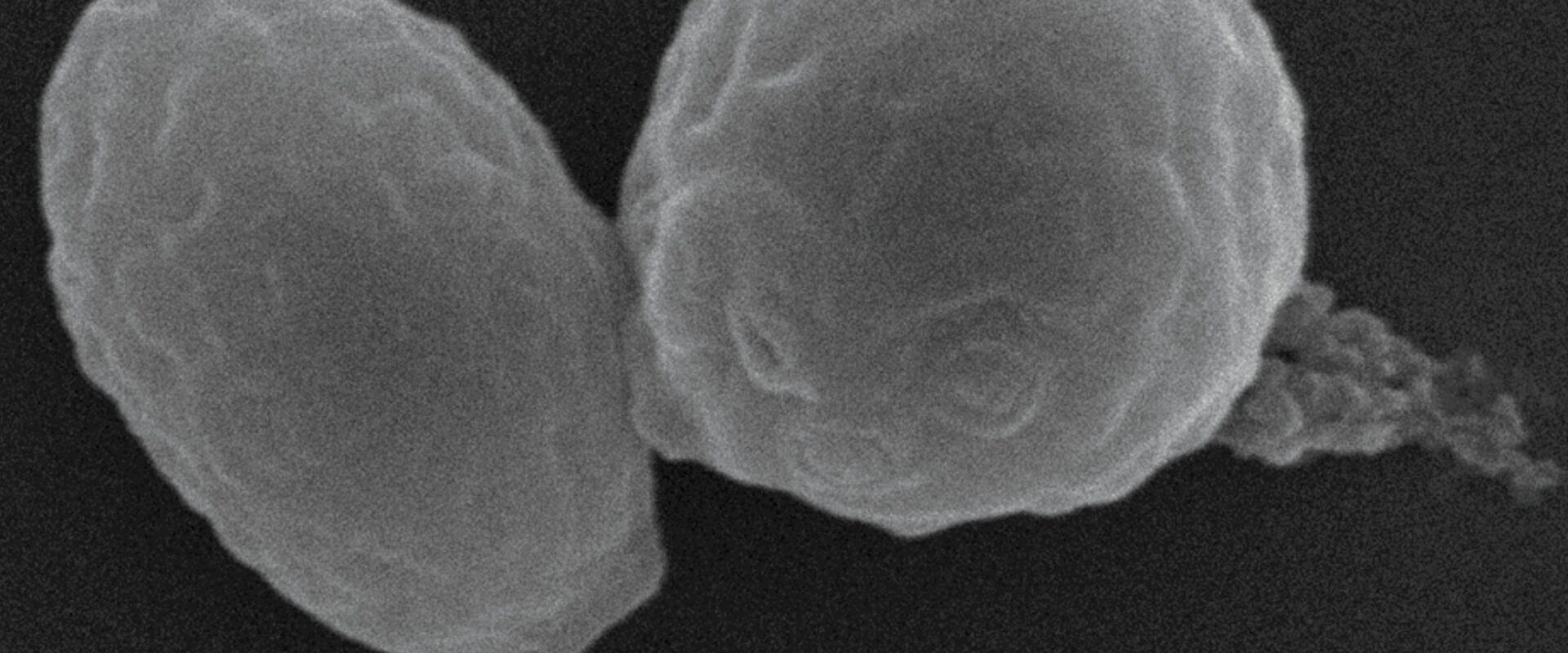
Topic: Yeast cells (Pichia pastoris) are fractionated by magnetic particles according to their individual cell age. Moreover, the cells will bey synchronized in their cell cycle to study effects on protein synthesis.
PI: Sebastian Schwaminger
Project duration: 2024-2027
Funded by: FWF
Projectpartners: Anita Emmerstorfer Augustin (TU Graz), Tobias Madl (MedChem), Ellen Heitzer (Liquid Biopsy)

Magnetic Stone
Topic: Magnetic particles are used for the residue-free extraction of kidney stones. The goal of this project is to develop a method which allows for efficient kidney stone removal. Both, the magnetic devices as well as the particles for the extraction will be developed.
PI: Sebastian Schwaminger
Project duration: 2023-2026
Funded by: MeFo Graz
Projectpartners: Gerd Hörl (Medicinal Chemistry, Medical University Graz) and Dominik Rosenlechner (Urologie, LKH Graz)

Nanocarriers for the Selective Treatment of HER2+ Breast Cancer
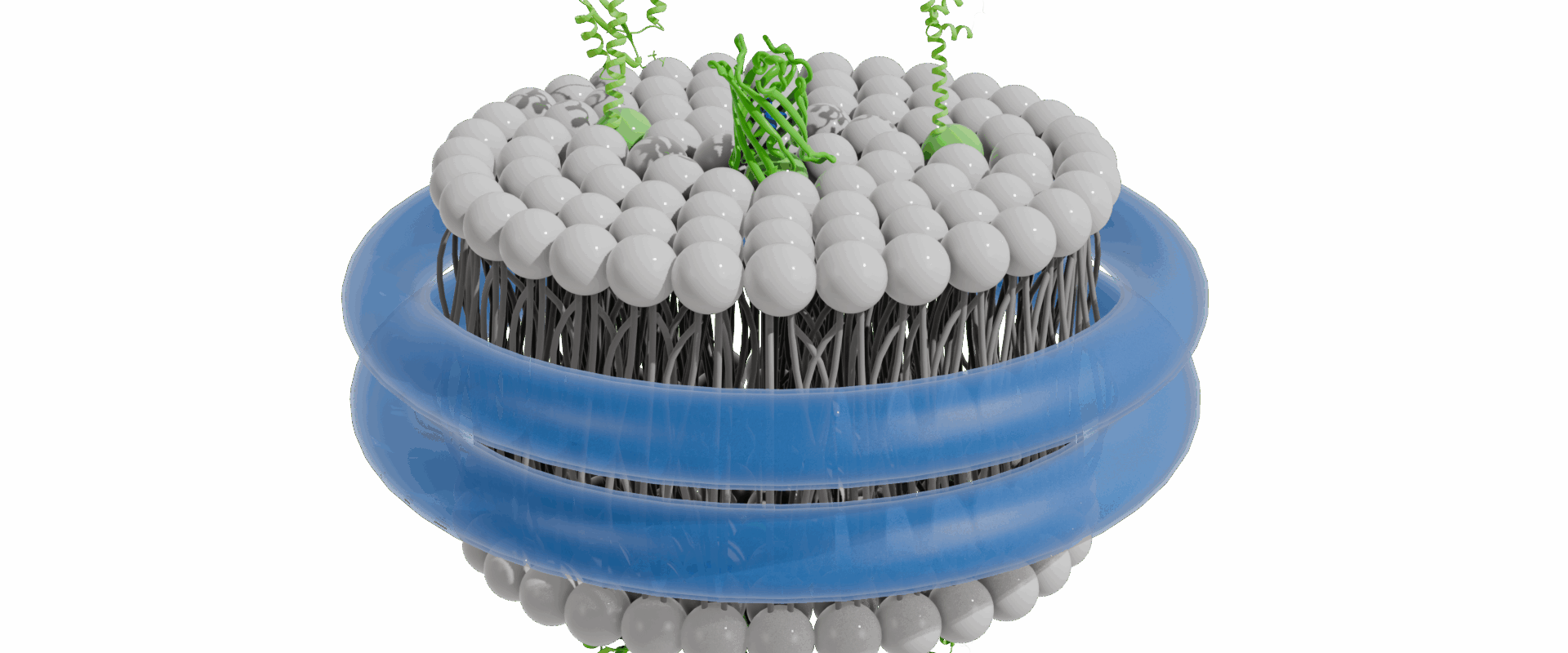
Topic: In this study, HER2+ receptors, a marker for HER2+ breast cancer cells, are isolated using nanodiscs. Through special polymers, a molecular imprint of these receptors is created to develop synthetic antibodies. These antibodies are designed to specifically recognize the surface of breast cancer cells, allowing the drug to be delivered directly to the affected cells.
PI: Marco Eigenfeld
Project duration: 2025-2026
Funded by: MeFo Graz
Projectpartner: Sandro Keller (University of Graz)

Advances in Sepsis Detection: Magnetic Enrichment for Earlier Diagnosis
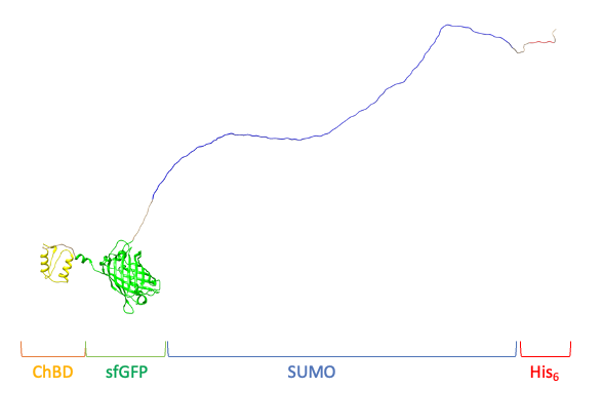
Topic: Currently, sepsis-relevant pathogens cannot be efficiently detected. Therefore, this project uses phage-binding proteins in combination with magnetic nanoparticles to increase the concentration of pathogens, thereby lowering the detection limit of PCR for earlier diagnosis.
PI: Marco Eigenfeld
Project duration: 2025-2026
Funded by: German Research Foundation
Projectpartners: Karl Dichtl (Microbiology, Medical University Graz), Sandro Keller (University of Graz), Peter Braun (Fraunhofer ITMP-IIP, Penzberg, Germany)

Rejuvenated yeasts for better biorefineries
Topic: This project investigates how the age distribution of yeast cells (mother vs. daughter cells) affects the viability and fermentation performance of active dry yeast. By separating and recombining yeast populations, the goal is to optimize industrial fermentation efficiency and product quality.
PI: Sebastian Schwaminger
Project duration: 2025-2026
Funded by: FFG – COMET
Projectpartners: Axel Schwarzmayr (Lesaffre Austria), Yves Gosselin (Fermentis), Eduardo Liza-Dias (Fermentis)

Integrative approach to tissue healing: A bioactive magnetic patch with hyperthermia and immobilized human serum albumin
Topic: Development of a bioactive magnetic patch combining superparamagnetic nanoparticles with human serum albumin to promote tissue regeneration and controlled hyperthermia. The system aims to enhance cell adhesion, accelerate wound healing, and enable localized therapeutic heating.
PI: Marco Eigenfeld
Project duration: 2025-2026
Funded by: WTZ Bosnia&Herzegovina
Projectpartner: Aida Smajlovic (University of Tuzla, Bosnia)

Targeted TRAIL delivery via HER2-specific M13 bacteriophage for breast cancer therapy
Topic: This project aims to develop an innovative platform for the treatment of HER2-positive breast cancer. Using genetically modified M13 bacteriophages that display HER2-specific ligands and carry the apoptosis-inducing TRAIL molecule, the goal is to enable precise, low-toxicity cancer treatment. Functionalized magnetic nanoparticles are also used to improve stability, enable controlled release, and support future imaging applications.
PI: Marco Eigenfeld
Project duration: 2026-2027
Funded by: ASEA-UniNet and BMFWF
Projectpartner: Peraphan Pothacharoen (Chiang Mai University, Thailand)

Probiotic yeasts and nanotechnology: Isolation, characterization, and innovative delivery systems for health and food applications
Topic: This project focuses on the isolation, characterization, and application of probiotic yeasts from traditional Egyptian dairy products. By integrating biotechnology with nanotechnology, the project aims to develop nano-encapsulation systems that enhance the stability, bioavailability, and functionality of probiotic microorganisms.
PI: Marco Eigenfeld
Project duration: 2026–2027
Funded by: Africa-UniNet
Project partner: Sara R. Al-Aswad (Damanhour University, Egypt)
Biosynthesised porphyrin loaded hydrogel for photodynamic therapy of multidurg-resistant Candida albicans in HIV infected patients
Topic: Photodynamic therapy (PDT) is explored as an alternative strategy to treat multidrug-resistant Candida albicans, a major cause of oral candidiasis in HIV-infected patients. The project focuses on establishing a recombinant production platform for porphyrins and incorporating these photosensitizers into biocompatible chitosan-based hydrogels to enable targeted antimicrobial PDT. This approach aims to disrupt fungal biofilms and reduce infection persistence. By integrating biotechnology, photochemistry, and microbiology, the project contributes to the development of alternative antifungal treatment strategies for immunocompromised populations.
PI: Marco Eigenfeld
Project duration: 2026–2027
Funded by: Africa-UniNet
Project partner: Kalayou Hiluf Gebremdhin (Mekelle University, Ethiopia)
Interested in joining one of our projects?
Material Chemistry & Nanomaterials
Material Chemistry & Nanomaterials
(Lead: Assoz. Prof. Dr. Sebastian Schwaminger)
- Synthesis and functionalization of magnetic nanoparticles
- Nanomaterials for separation and purification technologies
- Nanoparticle-based delivery systems
- Magnetic particle analytics and characterization
Contact
Sebastian Schwaminger
sebastian.schwaminger@medunigraz.at
Microbiology & Molecular Biotechnology
Microbiology & Molecular Biotechnology
(Lead: Dr.-Ing. Marco Eigenfeld)
- Yeast biotechnology and recombinant expression systems
- Microbial production platforms for bioactive compounds
- Encapsulation strategies for sensitive biomolecules
- Photodynamic approaches for antimicrobial applications
Contact
Marco Eigenfeld
marco.eigenfeld@medunigraz.at